

It’s sometimes said that philosophy bakes no bread—but I prefer to think of philosophical curiosity as akin to a sourdough starter: it can live indefinitely, remain endlessly nourishing, and provide a kind of leavening to conversations around your dinner table or in your humanities classroom.
Today, I’ll share free materials for three of our high school workshops—three loaves of sourdough—in which we take various items of intrigue and press them into service as spurs for philosophical inquiry and reflection.
The descriptions below include links to all the resources you’ll need to run these workshops yourself, including tailor-made video clips, discussion plans, and small-group activities. I proudly present The Philosophy Club’s workshops: ‘Go For Broke’, ‘A Different Kind of Justice’, and ‘What the Body Knows’.

Go For Broke explores the ethics and phenomenology of risk-taking and peak experiences. We begin with a video clip about Gever Tulley’s Tinkering School in which children are encouraged to take significant risks in the interests of becoming inquiring, self-directed, imaginative and responsible problems-solvers. This gives rise to a preliminary discussion about what makes risks reasonable versus reckless. Next comes a video clip about climber Alex Honnold’s nail-biting free solo ascent of Mexico’s rock wall El Sendero Luminoso, including his reflections on dealing with fear, and visualising his own death. We consider here whether it’s ethical to take extreme risks that endanger one’s own life. The workshop’s third segment is a critical thinking activity exploring conflicting views of extreme sports as pathological or as a source of ‘peak experiences’ (sublime experiences affording ultimate fulfilment and self-actualisation). The final segment of this workshop includes a series of videos (clip 1, clip 2, clip 3, clip 4) about Forrest Fenn’s multimillion dollar treasure hunt and its links with existentialist philosophy, life purpose, obsessiveness, addiction, danger to the public, harm, risk tolerance, and heroism. Related discussion questions include ‘Is it ethical to encourage others to take risks?’ And ‘What makes something a moral duty?’
A Different Kind of Justice probes the themes of forgiveness and guilt. It makes use of two striking case studies, starting with the experience of Abdirashid Abdi, a Somali refugee who, after settling in Australia, survived an extremely violent racist attack. Abdi subsequently forgave the perpetrator and even advocated for clemency on her behalf, pleading in court against her incarceration or deportation. This case study prompts an inquiry into forgiveness as a form of justice, and raises questions about the purpose of our criminal justice system and whether it should focus on rectifying harm, reconciling parties, and promoting healing rather than merely punishing wrongdoers. It further opens discussion about the possible relationships between imprisonment and vengeance; and between socio-economic circumstance and moral culpability. The second case study, presented through a series of videos (clip 1, clip 2, clip 3, clip 4) examines the experience of Trevell Coleman who—after unintentionally shooting a stranger during a holdup—was plagued by guilt for 17 years, until he eventually turned himself in and confessed. This case generates several paths of inquiry including whether the passage of time affects moral responsibility for past actions; whether it’s inherently valuable to uncover the truth even at the cost of re-opening old wounds; and whether it’s possible to be free in some sense even while physically imprisoned. This workshop also introduces the concepts of moral obligation and supererogation (going beyond the call of duty).
What the Body Knows is an inquiry into memory, perception and embodiment. We begin with a video clip about the Backwards Brain Bicycle—a regular bike altered so that its wheels turn in an opposite direction to its handlebars—and witness the struggle of those learning (and unlearning) how to ride it. This is likened to 19th century psychologist George Stratton’s experiments with navigating the world while wearing ‘upside down glasses’: a lens system that inverts images. Discussion centres on the distinction between possessing and applying knowledge. In the next segment, we consider overthinking-related performance blocks (such as the ‘yips’ and ‘twisties’) which cause experts to fumble. We seek connections between the Backwards Brain Bicycle and the yips, with a view to discussing the relationship of muscle memory to failure or success in skilled physical activity.
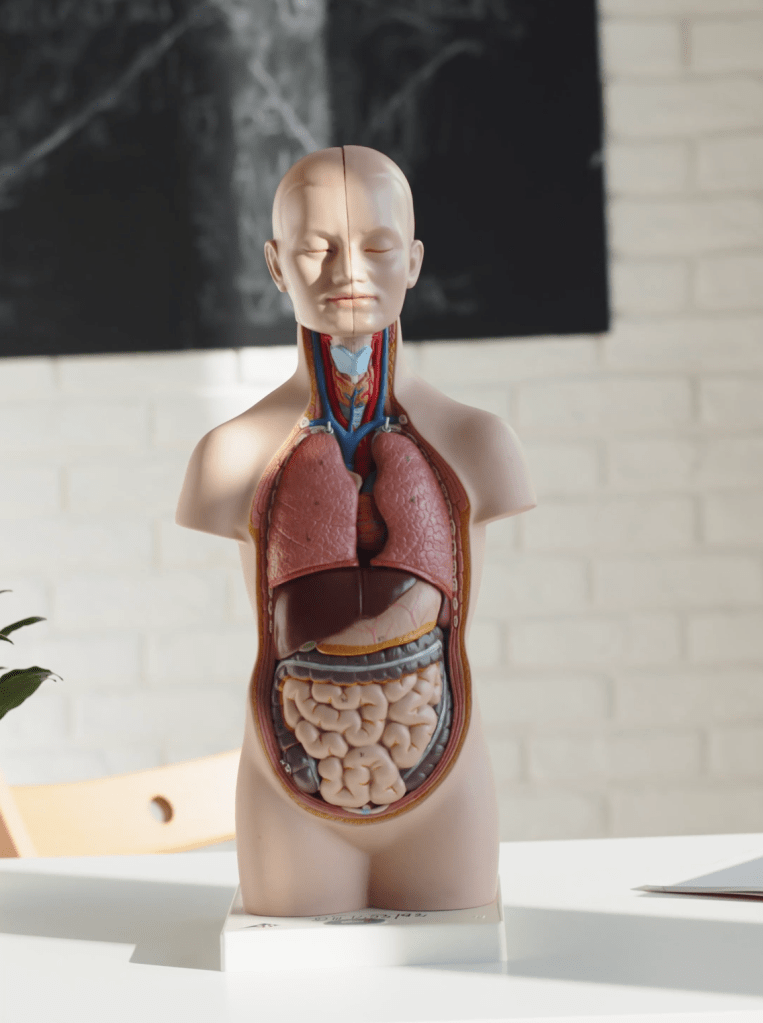
We then view a series of short videos (clip 1, clip 2, clip 3, clip 4) about the anecdotal experiences of organ transplant recipients who claim to have acquired preferences, emotions, or skills associated with their donors. We learn about (limited and controversial) scientific evidence for a theory of ‘cellular memory’, which lends some credibility to the notion of memory inheritance. We then wonder what it would be like to partake in someone else’s memories, and consider impacts on personal identity. Finally, we contemplate issues of informed consent, and ponder the rationality of fearing ‘moral contagion’ in light of the common reluctance to accept a heart transplant from a murderer. We close the workshop with a video clip about the remarkable phenomenon of the flatworm, which—when cut in half—can not only regenerate a head (including a brain) from its tail region, but can furthermore remember things it learned before it was beheaded. Drawing on the revolutionary work of synthetic biologist Michael Levin, we ponder how something without a brain could be capable of remembering anything.
Please note that each workshop title (in the bold-text paragraph-starting sentences above) is hyperlinked to a page where you’ll find all the relevant workshop materials, including a facilitator’s runsheet, slideshow, and printable activity resources.
I hope you’ll make use of these materials, enjoy them, and share them. Also, we love getting feedback—so don’t hesitate to say hi and let us know your thoughts!
……………………………………….
The Philosophy Club, based in Melbourne, works with students and teachers to develop a culture of critical and creative thinking through collaborative inquiry and dialogue.



 The Philosophy Club
Leave a comment