
A philosophical inquiry workshop on authenticity and virtual worlds
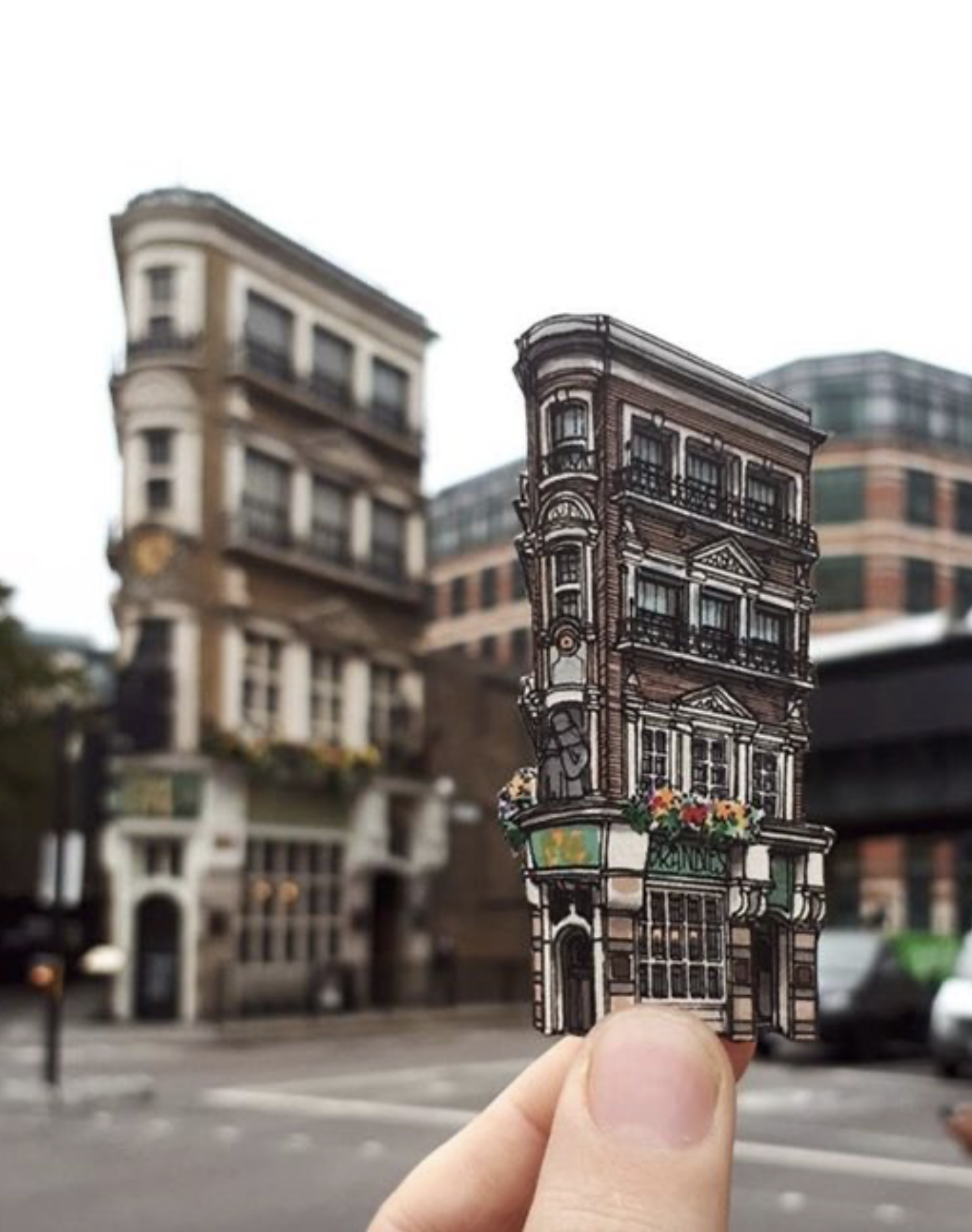
Illustration of The Blackfriar by Maxwell Tilse (via My Modern Met)
Scroll down for free workshop materials!
This workshop examines important ethical, metaphysical and epistemological questions relating to the concept of authenticity in contemporary life.
The workshop includes the following segments:
- Video clip + visual narrative: Celebrities and Starbucks: inauthenticity in capitalist culture
- What’s the difference between being authentic, and appearing authentic?
- How might we go about detecting ‘fake authenticity’?
- Is projecting ‘fake authenticity’ worse than the other kinds of manipulation that companies engage in?
- Is it possible to be genuinely authentic in a world where authenticity is commodified and marketed?
- Video clip: Nation branding: inauthenticity in tourism
- How might the phenomenon of ‘nation branding’ affect a nation’s identity and culture?
- What happens when culture itself becomes a marketable commodity? Are communities likely to feel pressured to perform their culture for commercial gain?
- Can you make sense of the paradoxical notion of seeking an ‘authentic experience of Hollywood inauthenticity’?
- Video clips 1, 2: Oobah Butler’s Shed at Dulwich: inauthenticity in online reviews
After watching video clip 1, participants engage in a small-group activity considering evidence for the following claims:
-
- In a world filled with digital noise, we yearn for genuine recommendations that can help us make informed decisions––but online reviews can be so easily faked that we can no longer rely on them to guide our choices.
- Some people seek validation through belonging to an exclusive group, or participating in an exclusive lifestyle. Social media encourages people to compare their lives with the curated content of others.
- People have a tendency to follow trends and popular opinion, and to conform their behaviour to the collective norm.
After watching video clip 2, participants take part in another small group activity considering evidence for the following claims:
-
- Our digital lives powerfully impact our real lives, with online influences sometimes overpowering own own sensory experiences.
- A compelling narrative, even a fabricated one, has the power to shape human behaviour and beliefs.
- The use of deception represents a moral dividing line between satire and fake news.
This workshop tackles questions including:
- What does it mean to be authentic?
- Should we value authenticity? If so, why?
- What role does authenticity play in meaningful relationships and social connections?
- Is reality malleable? Are we living in an age where reality itself is being artificially constructed?
––––––––––––––––––––––––––––
Workshop materials shared under Creative Commons license CC BY-NC-SA (Attribution-NonCommercial-ShareAlike) for all original material. (Materials from other sources are clearly credited in the runsheet.)
- Runsheet – The Real Deal: Authenticity and virtual worlds
- Slideshow (PDF copy): Authenticity (video clips not included – to view video clips, use hyperlinks indicated on the runsheet)
- Cards for The Shed Activities 1 & 2:
- Activity 1 headings and cards to distribute (please print and cut)
- Activity 1 reference sheet (for facilitator’s use)
- Activity 2 headings and cards to distribute (please print and cut)
- Activity 2 reference sheet (for facilitator’s use)
- Creative Response stimuli
––––––––––––––––––––––––––––
This work is available free of charge, so that those who can’t afford it can still access it, and so that nobody has to pay before discovering it’s not what they are really seeking. But if you find it valuable and you’d like to contribute whatever easily affordable amount you feel it is worth, please leave a donation via Paypal below.

In appreciation,
Michelle Sowey
Co-Founder and Managing Director
The Philosophy Club


 The Philosophy Club