
Reasoning Through Mysteries #1: A philosophical inquiry workshop about Havana Syndrome
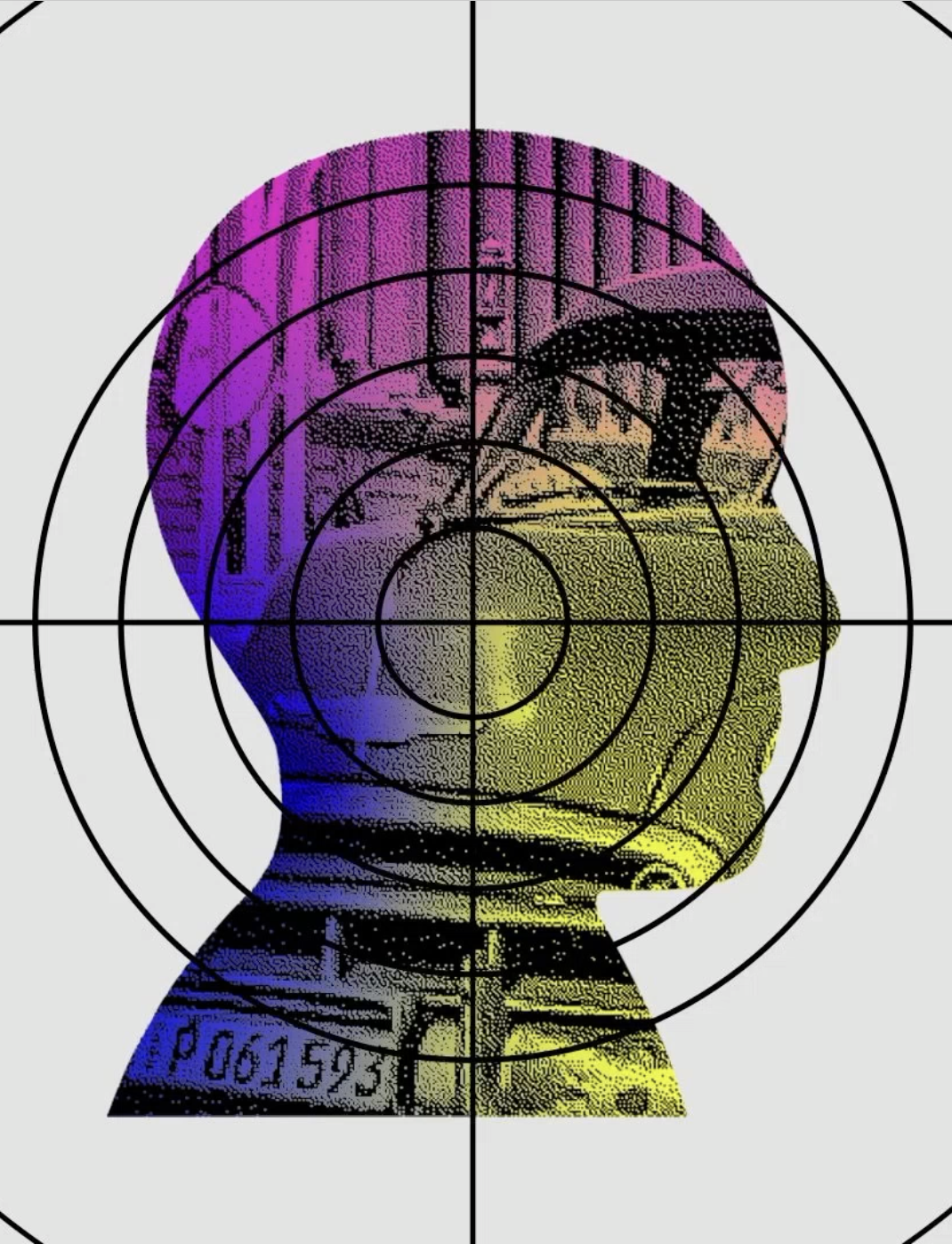
Design by Ryan Ho and Julien Pradier. Image source: Project Brazen
Scroll down for free workshop materials!
This workshop uncovers profound epistemological questions by diving deep into the mysterious case of Havana Syndrome: an array of unexplained health problems experienced by staff at the American embassy in Havana, Cuba, in 2016.
The mystery––and accompanying philosophical investigation––unfolds through a series of bespoke video clips which make use of remixed audio, primarily excerpted from The Sound: Mystery of Havana Syndrome, an excellent investigative podcast by journalist Nicky Woolf, produced by Project Brazen.
- Clip 1: Various staff of the American embassy in Havana hear a piercing noise and report an array of health symptoms including nausea, dizziness, vertigo, insomnia, headaches, and cognitive issues. Some are Medevaced. The Trump administration attributes these incidents to a sonic terrorist attack following decades of tense diplomatic relations between the US and Cuba.
- Clip 2: The sound heard by the embassy staff is formally identified as the mating call of the Indies Short-Tailed Cricket. The FBI initially concludes that Havana Syndrome is a mass psychogenic illness: a contagious collective stress response based on a belief. Some speculate that anxiety about the possibility of suffering a brain injury from a sonic attack had heightened people’s vigilance for symptoms consistent with a sonic attack.
- Clip 3: Conflicting scientific evidence compounds the confusion around the aetiology of Havana Syndrome:
- An initial study was interpreted to indicate that embassy staff had brain injuries, which mass psychogenic illness cannot account for. This suggests that Havana Syndrome had some kind of physical cause, whether it was a sonic weapon or a bioweapon, or accidental exposure to a neurotoxin.
- Other experts reinterpreted that initial study, concluding the study did not reveal brain damage, but merely brain anomalies which were within the normal range of human variation. If it’s true that there was no brain injury, then the mass psychogenic illness hypothesis could still be plausible. Still, these findings were not conclusive.
- Later studies seemed to indicate there was actual brain damage after all, once again calling the mass psychogenic illness hypothesis into question.
- Clip 4: The tight localisation of the apparent sound, described as “a focused beam that [embassy staff] could step in and out of” is incompatible with it being produced by sound waves at all (whether the sound of crickets, or a sonic weapon). Sound is not so localised. A new hypothesis is presented: radio waves (pulsed radiofrequency radiation) might be involved. There is at least one precedent of an embassy being targeted by a radio wave attack, and such an attack is known to be capable of causing brain injury. Note that this doesn’t rule out a mass psychogenic event.
- Clip 5: There’s no definitive answer to the mystery of what happened to these patients. A government spokesperson, confirming that the investigation is ongoing, refuses “to create storylines … that don’t match up with the facts.” Yet humans don’t understand the world as a collection of random facts; we need to create a narrative to understand them. Everyone who has examined Havana Syndrome has come away with the conclusion they were primed to see.
This workshop tackles questions about rationality, plausibility and compatibility of theories, persuasiveness of evidence, and how to weigh different aspects of scientific research (such as recency of publication, number of studies, and research quality).
This workshop also introduces participants to a fallacy known as ‘the appeal to ignorance’: a fallacious argument based on a lack of contrary evidence.
––––––––––––––––––––––––––––
The following workshop materials are shared under Creative Commons license CC BY-NC-SA (Attribution-NonCommercial-ShareAlike) for all original material. (Materials from other sources are clearly credited in the runsheet.)
- Runsheet – A Sonic Attack? (100 mins)
- Slideshow (PDF copy): A Sonic Attack? (video clips not included – to view video clips, use hyperlinks indicated on the runsheet)
- Printable cards for activity: six claims and headings (please print and guillotine; note that three sets of the six claims are included in this document)
––––––––––––––––––––––––––––
This work is available free of charge, so that those who can’t afford it can still access it, and so that nobody has to pay before discovering it’s not what they are really seeking. But if you find it valuable and you’d like to contribute whatever easily affordable amount you feel it is worth, please leave a donation via Paypal below.

In appreciation,
Michelle Sowey
Co-Founder and Managing Director
The Philosophy Club




 The Philosophy Club