
A philosophical inquiry workshop on guilt and forgiveness
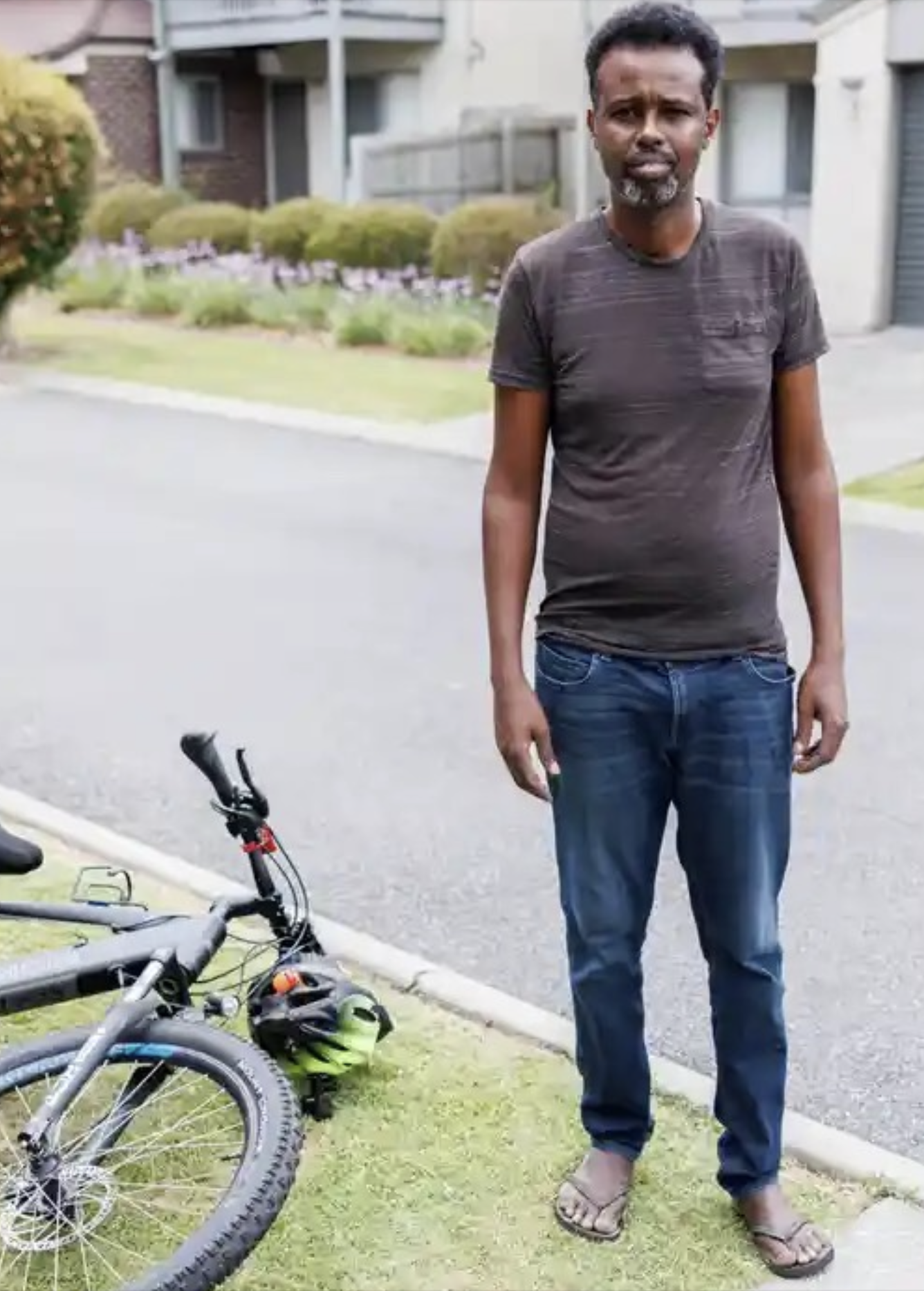
Photograph: Glenn Hunt/The Guardian
Scroll down for free workshop materials!
This workshop probes largely ethical issues relating to forgiveness and guilt. It includes thought-provoking case-studies including:
- The experience of Abdirashid Abdi who survived an extremely violent racist attack and subsequently forgave the perpetrator and even advocated for clemency on her behalf, pleading in court against her incarceration or deportation.
- Video clips 1, 2, 3, 4: The experience of Trevell Coleman who—after unintentionally shooting a stranger during a holdup—was plagued by guilt for 17 years until he eventually turned himself in and confessed.
This workshop tackles questions on the theme of forgiveness, including:
- Should we forgive unconditionally?
- Is forgiveness is a form of justice?
- Should our criminal justice system focus on rectifying harm, reconciling parties, and promoting healing rather than merely punishing the wrongdoer?
- To what extent are individuals shaped by their socio-economic circumstances and limited opportunities, and how does this impact our assessment of their moral culpability? Do we need to tackle social problems like mental illness and drug abuse before addressing crime?
- Are love, compassion and forgiveness the best means to disarm people of their rage?
- Does imprisoning violent criminals achieve little more than vengeance?
- Do victims of crime need to forgive their perpetrators in order to recover and move on?
It also tackles questions on the theme of guilt, including:
- Does the passage of time affect the moral responsibility of a person for their past actions?
- Is it inherently valuable to uncover the truth, even if it reopens old wounds and disrupts the lives of those involved?
- Should criminals who voluntarily turn themselves in, admit guilt, and express remorse be spared imprisonment?
- Is it possible to be free in some sense, even while physically imprisoned?
- Can social circumstances exonerate a person of responsibility for a crime?
- What is the purpose of punishment?
This workshop introduces the concepts of ‘moral obligation’ and ‘supererogation’ (going beyond the call of duty).
––––––––––––––––––––––––––––
The following workshop materials are shared under Creative Commons license CC BY-NC-SA (Attribution-NonCommercial-ShareAlike) for all original material. (Materials from other sources are clearly credited in the runsheet.)
- Runsheet – A Different Kind of Justice (100 mins)
- Slideshow (PDF copy): A Different Kind of Justice (video clips not included – to view video clips, use hyperlinks indicated on the runsheet)
- Printable cards for spectrum activity (please guillotine heading cards ‘Disagree’ and ‘Agree’, and trim claim cards. You may wish to print multiple copies of the claim cards to distribute among various pairs/small groups)
––––––––––––––––––––––––––––
This work is available free of charge, so that those who can’t afford it can still access it, and so that nobody has to pay before discovering it’s not what they are really seeking. But if you find it valuable and you’d like to contribute whatever easily affordable amount you feel it is worth, please leave a donation via Paypal below.

In appreciation,
Michelle Sowey
Co-Founder and Managing Director
The Philosophy Club



 The Philosophy Club